

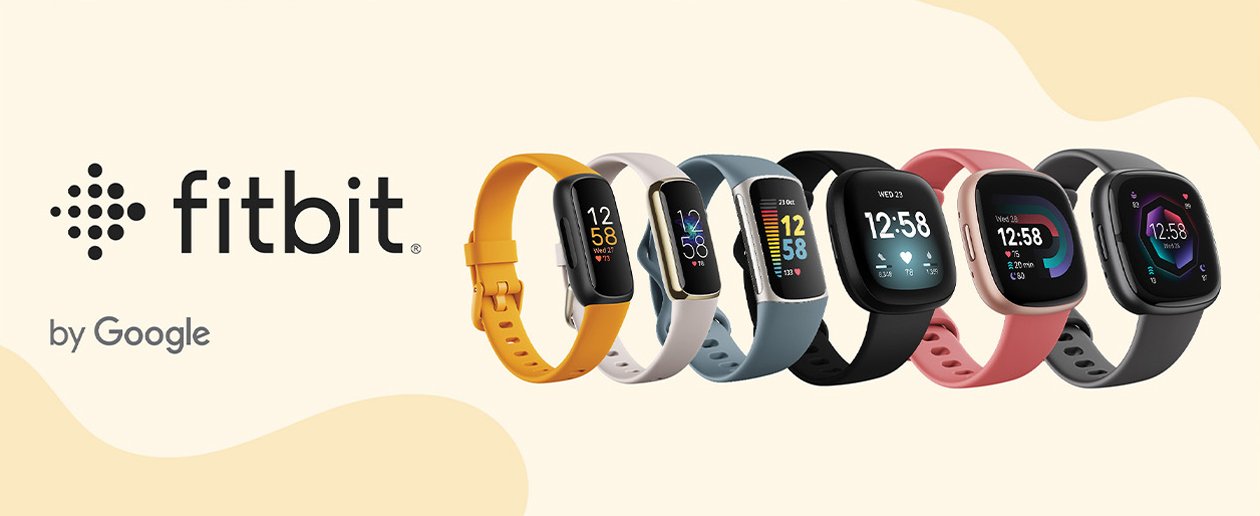
Google confirms a 2026 launch for new Fitbit devices. That single line cuts through months of talk that the brand was being nudged aside in favour of Pixel Watch. After a quiet stretch for Fitbit devices, a move into the Google Store, and reduced availability in several regions, the message is clear that Fitbit still has a job in Google’s wearables plan.
So what is that job? Trackers, not full smartwatches. Pixel Watch covers apps, calls and the broader smartwatch brief. Fitbit is for people who want something lighter with long battery life and easy health tracking. Think refreshes in the Charge or Inspire family rather than a return to Sense or Versa. Keep fitness first, keep the interface simple, and skip the layers that make smartwatches busy.
The software story matters most. Fitbit’s Personal Health Coach, powered by Gemini, is in public preview. You start with a short chat; it learns your routine and goals, then builds plans that adjust as your week changes. Expect new hardware in 2026 to lean into this. That means quicker responses on the wrist, prompts that help you sleep better and recover smarter, and nudges that show up when you need them.
For example, if you slept badly, it could suggest a shorter, low impact session and move your harder run to the weekend. The coach requires Premium and is rolling out in some regions first, with iOS to follow Android.
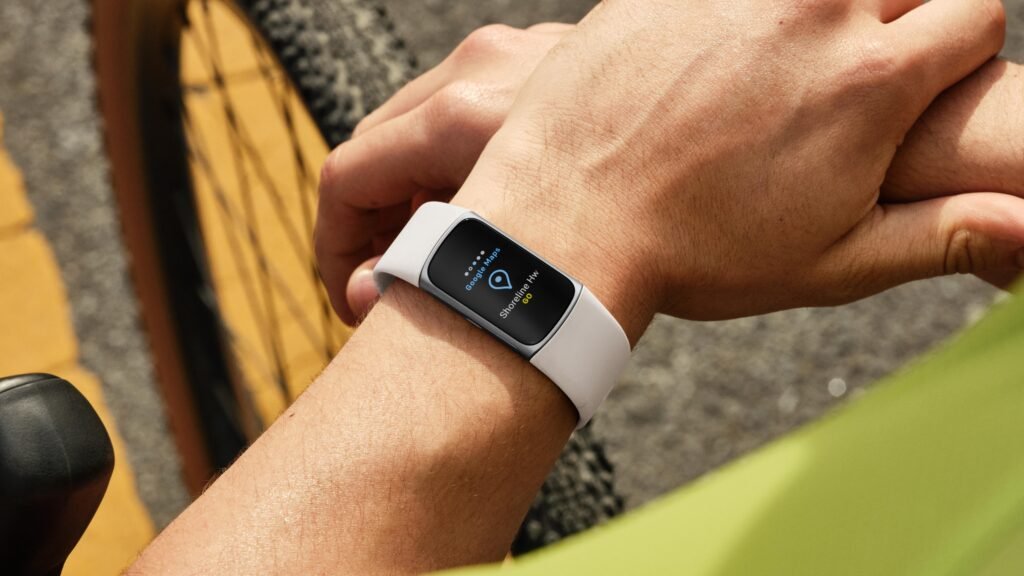
The last mainstream tracker was Charge 6 in 2023, followed by the kid focused Ace LTE in 2024. Sense 2 and Versa 4 have not been updated since 2022, which is why many assumed Fitbit’s smartwatch chapter had closed. By confirming a 2026 lineup, Google is separating the roles cleanly. Pixel Watch remains the smartwatch. Fitbit leans into what it does well as a focused fitness companion.
There is some housekeeping to watch. Fitbit account migration to Google accounts has a deadline of 2 February 2026. That sits close to the expected hardware window. Setup, privacy choices and data permissions will need to be clear and calm, because first run experience will matter as much as any new sensor or brighter screen.
Distribution is still a question. Google folded Fitbit.com into the Google Store and paused new sales in several countries while promising ongoing support for existing owners. A 2026 lineup will need a sharper retail plan or thoughtful pricing and bundles in active markets. Availability and price will matter as much as specs.
Every heartbeat, every step — your body’s story in motion. Track progress, celebrate effort, and let each small move bring you closer to your strongest self.
Fitbit is not going away. New trackers are due in 2026 with closer ties to the coaching features in the app. If Google keeps the split clear between Pixel Watch and Fitbit, and if the coach proves helpful in day to day use, many people will choose a simple tracker they can wear all week and trust.
What to expect from the 2026 Fitbit hardware
Google has officially confirmed that new Fitbit devices will launch in 2026, marking the first major hardware refresh since the Charge 6 arrived in 2023. While the company has not shared specific model names or exact release dates, the timing is significant. It aligns closely with the February 2, 2026 deadline for Fitbit account migration to Google accounts, suggesting a coordinated hardware and software push. The new trackers are expected to focus on what Fitbit does best: lightweight fitness tracking with extended battery life, leaving the full smartwatch experience to the Pixel Watch lineup.
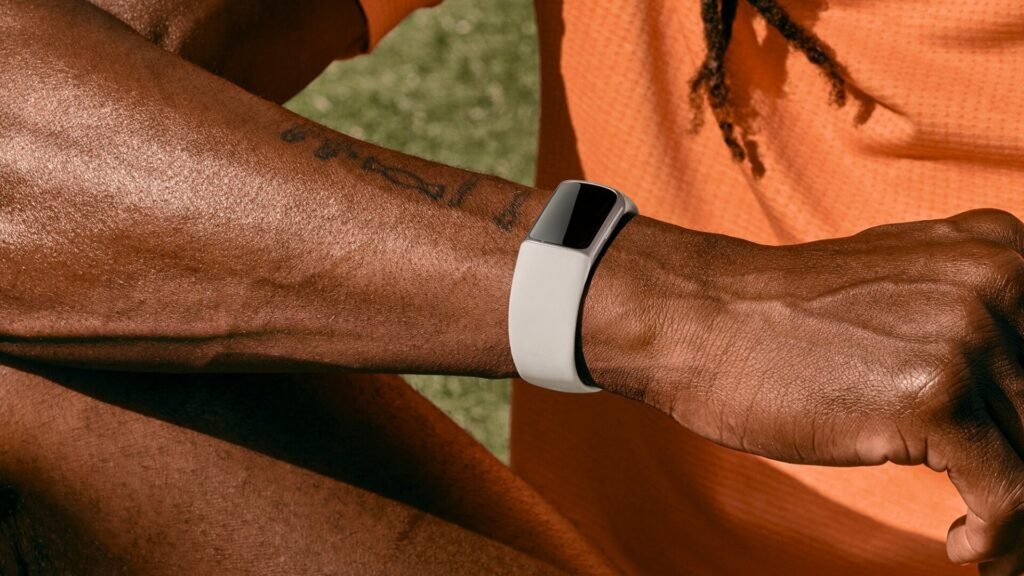
Based on previous Fitbit patterns, the 2026 refresh is likely to include updated versions of the Charge and Inspire series. These are Fitbit’s most popular fitness trackers, worn by users who want all day health monitoring without the bulk or battery demands of a smartwatch. Google has previously stated that Pixel Watches are its next iteration of smartwatch for Fitbit, which strongly suggests that Sense and Versa lines will not see new models. The focus instead shifts to trackers that can be worn continuously for a week or more between charges.
Hardware improvements expected in the new trackers include better sensors, updated algorithms, and possibly dual-band GPS support similar to what shipped in the Pixel Watch 4. Automatic activity detection, guided workouts, and more refined health vitals tracking are likely as well. The Charge 6 already brought Google Maps turn by turn directions and YouTube Music controls, so new models may build on that integration. But the true headline feature will be tighter integration with Gemini powered AI coaching. Expect faster access to coach prompts directly from the wrist, not just from the app.
Gemini AI-powered Personal Health Coach: the major new software feature
The Fitbit Personal Health Coach entered public preview on October 28, 2025, exclusively for Fitbit Premium subscribers in the United States. This AI powered tool is the biggest software addition to the Fitbit platform in years and represents Google’s attempt to make health tracking more actionable and personalized. The coach is powered by Gemini, Google’s conversational AI, which interprets Fitbit data, offers insights, and suggests science backed, personalized plans. Android users received access first, with iOS support arriving soon after.
Inside the Fitbit app, the coach appears through several key features. The Today Tab delivers personalized updates and insights throughout your day: morning check ins, post workout feedback, and pre bedtime advice. The Fitness Hub shows your weekly progress, exercise plans, and core metrics like cardio load. The coach can build and adjust multi week fitness plans, modify schedules when you flag an injury or fatigue, and answer direct questions through an always on chat feature. Sleep Analysis provides detailed breakdown of your rest quality, compares you to demographic data, and explains how your activity impacts your sleep. Health Dashboard reviews your vitals including resting heart rate, HRV, and breathing rate, tracking trends over time.
For consumers, the combination of new 2026 hardware and the Gemini powered coach marks a strategic shift. Fitbit is betting that many users want simple, wearable trackers that last a week between charges rather than daily charging smartwatches. The coach makes the data collected by these trackers more useful by translating metrics into actionable plans. If the preview feedback is positive, expect the full launch of the coach to happen alongside new hardware in early 2026, likely around the February account migration deadline. Users should note that the coach is Premium only, which adds an ongoing subscription cost on top of hardware purchases. Distribution and retail availability remain questions, as Google continues to consolidate Fitbit into its broader ecosystem. What is clear is that Fitbit has a defined role: focused fitness trackers with AI coaching, leaving comprehensive smartwatch features to Pixel Watch.